
How to Search Middlesex County Warrants
Middlesex County does not publish a plain warrant list on the main Sheriff's page. The closest public tool is the Archonix XJail public portal, which the Adult Correction Center uses for inmate and wanted-inmate searches. The portal includes a Wanted Inmate link and warrant fields tied to bookings. It is a starting point, not a complete county warrant database.
Before you search, have a full name or an inmate number if one applies. Warrant data on any public tool can be stale, so treat a hit or a blank as a lead, not a final answer.
- Open the county inmate lookup and launch the Archonix XJail public portal.
- Select the Wanted Inmate link to open the warrant search controls.
- Enter a last and first name, or an inmate number.
- Use the warrant type, status, and agency filters where they appear.
- Confirm any result with the issuing court before relying on it.
Does Middlesex County Publish Warrants?
Not in the way many people expect. There is no single, browsable countywide warrant roster open to the public. The Sheriff's Office, led by Sheriff Mildred S. Scott, handles court security, transport, and warrant service, but its public page does not list active warrants by name.
What does exist is the jail's wanted-inmate function and warrant fields inside the booking system. Those fields connect a warrant to a person already in or passing through custody. For warrants not tied to a current booking, the issuing court is the real source. Municipal warrants live with the local municipal court; Superior Court warrants live with the Criminal Division.
The Middlesex County Prosecutor's Office also plays a role on the law-enforcement side. It investigates and prosecutes indictable crimes and works with local, state, and federal agencies, so some warrants tie to active prosecutor cases. The office does not run a public warrant lookup, but it is the right contact for questions about an open criminal investigation rather than a routine bench warrant.
Middlesex County Warrant Search Fields
The Archonix wanted-inmate control exposes several filters. Some dropdown options do not fully render in a static view, but the field set is clear. The table lists what the warrant search offers.
| Field Label | Type | Required | Notes / Format |
|---|---|---|---|
| Wanted Inmate | Menu link | No | Opens the wanted-inmate search. |
| Last / First Name | Text | No | Name-based search where exposed. |
| Inmate Number | Text | No | Used if tied to an inmate record. |
| Warrant Type | Dropdown | No | Type combo; full options not all shown. |
| Warrant Status | Dropdown | No | Status combo. |
| Agency | Dropdown | No | Statewide issuing or holding agency list. |
| Search / Clear | Buttons | Yes | Runs or resets the query. |
What a Middlesex County Warrant Record Shows
When a warrant appears in the portal grid, it carries identifying fields. These describe the warrant and who issued it, and they link back to a person when there is a booking. The list shows the warrant fields the public grid returns.
- Warrant ID and the name on the warrant.
- Warrant type and current status.
- Issue date and expiration date.
- Issuing agency or court.
- Linked name, inmate number, and booking number when tied to custody.
Note: A warrant can be recalled or cleared faster than a public portal updates, so always confirm status with the issuing court.
Types of Warrants
Different warrants do different jobs. Knowing the kind you face shapes how you resolve it. The most common types appear below.
- Arrest warrant
- A court order to arrest a named person for a charge.
- Bench warrant
- Issued by a judge, often after a missed court date or unpaid obligation.
- Capias
- A common name for a warrant issued for failure to appear or comply.
- Search warrant
- A court order allowing a search of a place or property.
Most warrants people worry about are bench or arrest warrants tied to a missed appearance or an open charge.
Municipal vs Superior Court Warrants
Where the warrant came from decides who resolves it. A municipal bench warrant, often from a traffic or local matter, is handled through that municipal court. A Superior Court warrant on an indictable charge routes through the Criminal Division or the judge who signed it.
This matters because calling the wrong office wastes time and can leave a warrant open longer. If you are not sure which court issued it, the Criminal Records Room at 732-645-4300 ext. 88155 or the relevant municipal court can point you to the right place. A lawyer is wise for any indictable, probation, or protective-order warrant.
How to Resolve an Outstanding Warrant
An open warrant does not fix itself, and ignoring it usually makes things worse. The steps below outline a careful approach.
- Verify the warrant through an official source, such as the issuing court, not a stale web result.
- Identify the issuing court: municipal for local matters, Superior Court for indictable charges.
- Contact that court to ask what it needs, such as an appearance, a filing, or bail.
- If bail is set and the person is in Middlesex custody, call Records at 732-951-3355 to confirm the total before posting.
- Use a lawyer for indictable, probation, domestic violence, or out-of-state extradition issues.
Bail on a Warrant
Some warrants carry a bail amount; others require a court appearance. New Jersey's bail reform shifted many decisions to risk assessment rather than cash, so a warrant may call for a hearing instead of a payment. When cash bail does apply, the amount can change as charges from other jurisdictions arrive.
Cash bail can be posted at the Adult Correction Center in North Brunswick around the clock, with exact cash, a postal money order, or a certified check. For indictable charges a filing fee applies. Property bail goes through Criminal Finance at the courthouse. Calling Records first, at 732-951-3355, avoids posting the wrong amount and a wasted trip to the jail.
Sex Offender Registry and Parole Status
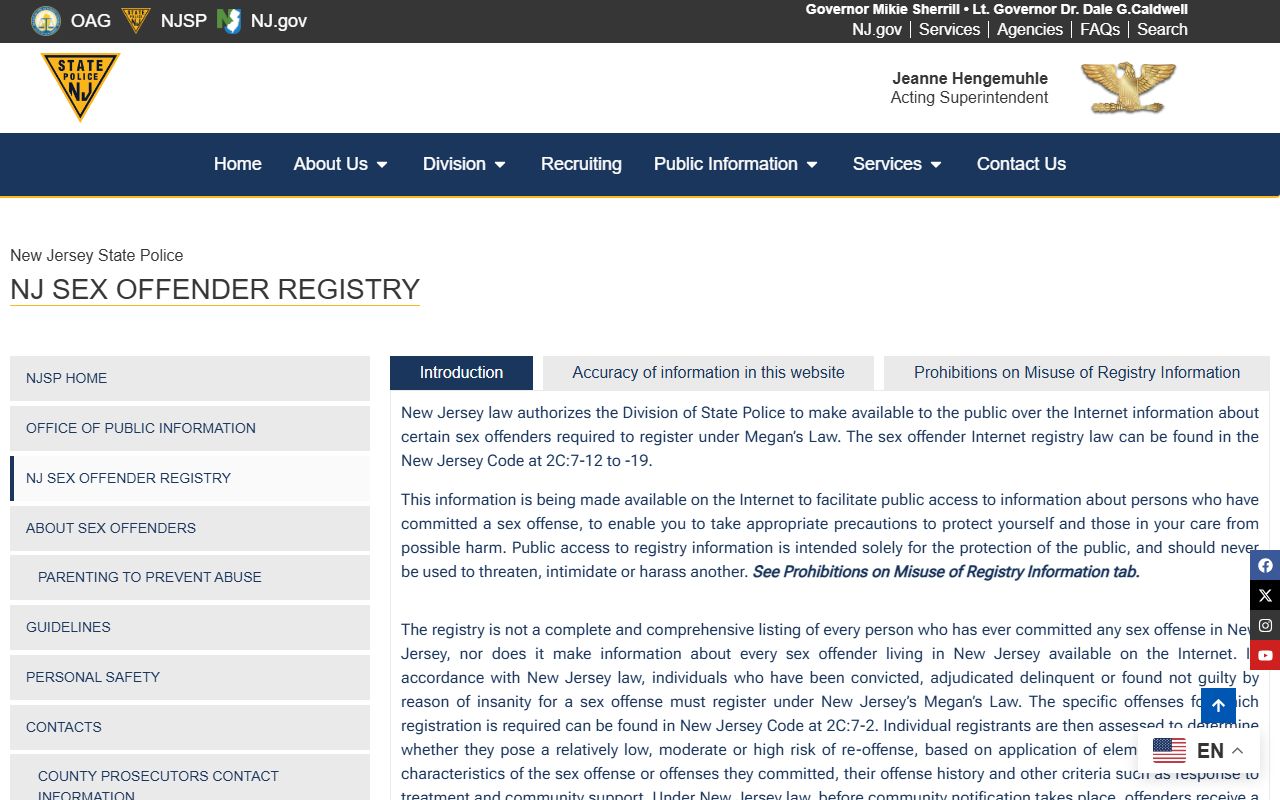
Two related public tools round out a warrant or status check. The New Jersey Sex Offender Internet Registry, run under Megan's Law, lists qualifying offenders by name or location. It does not list every registrant, only those who meet the public-disclosure tier.
The New Jersey Sex Offender Internet Registry supports name and location searches.
For people under supervision, the State Parole Board offers an offender search and parole information.
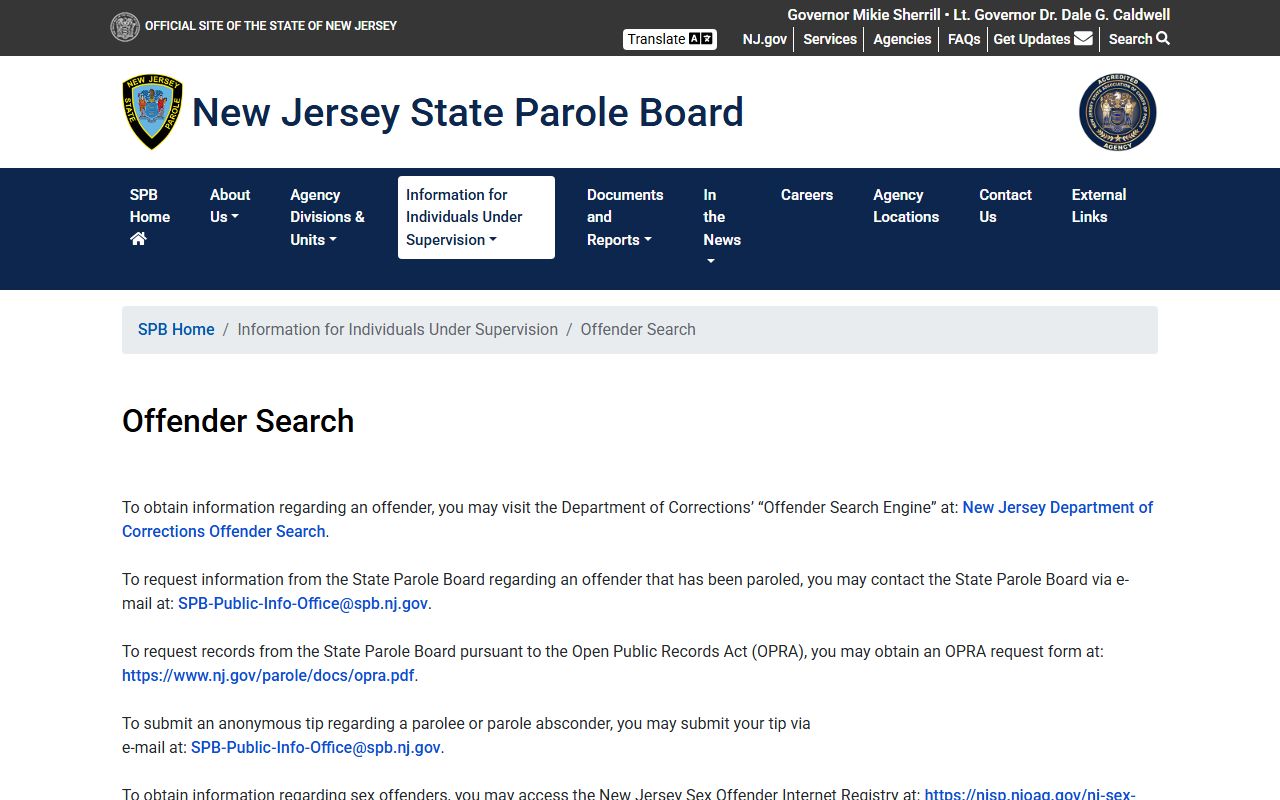
These tools cover status, not active warrants, but they help build a full picture.
What Happens After a Missed Court Date
Most bench warrants in Middlesex County trace back to a missed court appearance or an unpaid court obligation. When a person does not show up, the judge can issue a warrant on the spot. A missed municipal date can also bring driver's license consequences and added fees, while a missed Superior Court date can affect bail and release conditions.
The fix is almost always to deal with it early. Contacting the issuing court right away often leads to a new date or a way to clear the warrant without a surprise arrest. Waiting tends to add penalties and can turn a small traffic matter into a bigger problem. If the case is criminal, talking to a lawyer first is the safer route. The longer a warrant sits, the more likely it is to surface during a routine traffic stop or background check.
Checking a Warrant Safely
Public warrant data has real limits, and acting on bad information can backfire. A web result may show a warrant that has already been recalled, or miss one that was just issued. That is why every step here points back to the issuing court for confirmation. The portal is a lead; the court is the truth.
Be careful with private sites that claim to sell warrant or background data. They are not official, they often charge for stale records, and they are not the source courts or police use. Stick to the county jail tool, the issuing court, and the official state registries. If you are checking on someone else, remember the jail roster warns against using its data to harass or threaten anyone, and misuse can carry legal consequences.
For a current case status behind a warrant, the court docket often shows the next scheduled date.